
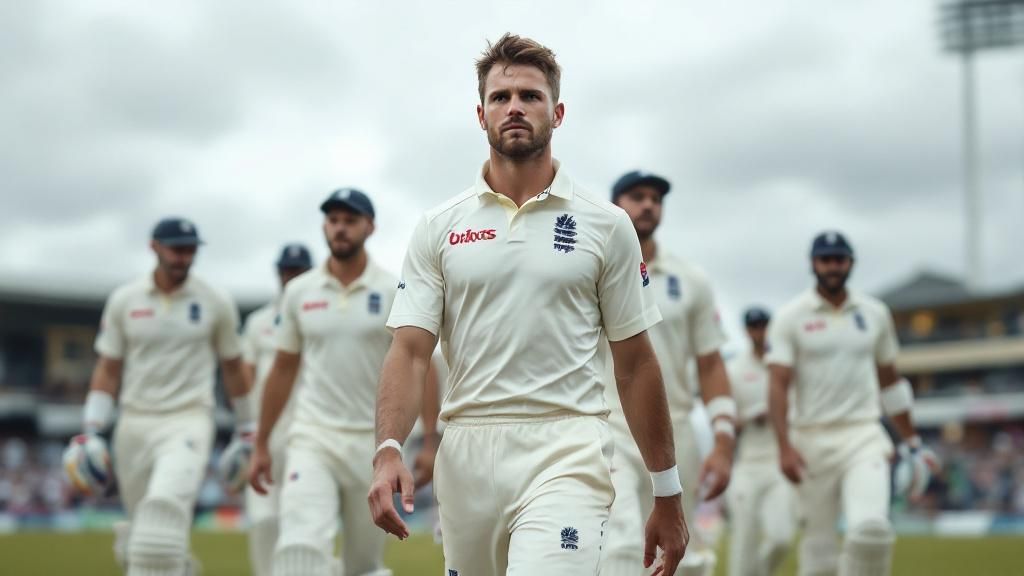
England and Wales Cricket Board chief executive Richard Gould has reaffirmed his support for managing director Rob Key, lead coach Brendon McCullum and captain Ben Stokes, despite mounting criticism from former players. The show of support comes in the wake of England’s 4-1 Ashes defeat in Australia this winter and a series of complaints from former squad members including Jonny Bairstow, Reece Topley, Ben Foakes and David Willey, who have aligned with Liam Livingstone in raising questions about the existing leadership. Gould defended the decision to retain the leadership trio, arguing that the ECB must focus resources on players within the system rather than those who have left the fold.
Gould’s Steadfast Defense of Management Framework
Gould dismissed suggestions that the players’ concerns represents a serious problem undermining the beginning of the home season, which commences on Friday. He maintained the ECB continues to be committed to a constructive path, highlighting favourable trends across recreational cricket participation and crowd numbers. “I really don’t agree with that,” Gould remarked when asked about whether doubt was casting a shadow over the fresh start. He portrayed the Ashes reversal as a temporary setback rather than proof of deep-rooted issues requiring wholesale changes to the organisational hierarchy.
The ECB chief executive recognised the challenges players encounter when departing the England system, but argued this was an unavoidable result of professional sport selection. With approximately 300 players aspiring to represent England across all formats, Gould maintained the organisation must focus its efforts carefully on those currently in the teams. He expressed understanding that excluded players would understandably disagree with decisions impacting their careers, but maintained the ECB’s approach emphasises sustained team building over managing the grievances of those outside the immediate circle.
- Gould challenges concept of emergency overshadowing start of the county season
- Grassroots cricket metrics and crowd numbers continue to be positive
- Ashes loss portrayed as temporary setback, not systemic failure
- ECB must concentrate investment on existing team players
Mounting Chorus of Complaints from Ex-Players
Bairstow and Livingstone Lead Grievances
Jonny Bairstow, not involved with England cricket since 2024, has emerged as one of the most outspoken critics of the existing setup, arguing that those in charge must bring back “the care back in the game”. His contribution proved particularly significant given his status as a former senior player, adding credibility to emerging concerns about athlete wellbeing within the system. Bairstow’s central complaint centres on what he perceives as a binary approach to selection, whereby departing players find themselves immediately cast adrift with scant support or communication from the ECB hierarchy.
Liam Livingstone, who last played for England during the Champions Trophy last March, has expressed similarly damning evaluations of the organisational framework. Speaking to Cricinfo recently, Livingstone stated that “no-one cares” about athletes beyond the core group, whilst describing how he was told he “cares too much” when requesting support during his absence from the squad. His remarks suggest a disconnect between athlete expectations regarding player welfare and the ECB’s operational philosophy, prompting inquiry about duty of care players moving out of international cricket.
Extra Concerns from Latest Departures
Reece Topley has portrayed Livingstone’s concerns as notably controlled, suggesting the issues run considerably deeper than publicly articulated. This evaluation from a colleague recently-left player highlights the breadth of frustration building within the former England contingent. Topley’s willingness to validate Livingstone’s grievances points to a collective dissatisfaction rather than separate issues, possibly indicating systematic issues within the ECB’s oversight of player changes and continued assistance programmes for those no longer in contention.
Ben Foakes has highlighted operational shortcomings in England’s coaching structure, revealing that reserve batsman Keaton Jennings functioned as wicketkeeping coach during one tour despite no permanent specialist being established in the role. This disclosure exposes potential resource allocation problems within the ECB’s coaching operations, suggesting penny-pinching measures that may affect squad development and welfare. Foakes’s specific example offers concrete evidence supporting general grievances about the leadership’s performance and focus on assisting squad members sufficiently.
- Bairstow insists on improved care standards within England cricket system
- Livingstone claims management dismisses concerns from departing players
- Topley validates criticism, indicating broad-based systemic discontent
- Foakes highlights insufficient coaching resources and funding distribution
The Larger Context of England’s Winter Struggles
England’s underwhelming 4-1 Ashes loss in Australia this season has prompted intensified scrutiny of the ECB’s management structure and decision-making processes. The scale of the series defeat has lent credibility to former players’ grievances, with the on-field results seemingly substantiating worries about the leadership’s effectiveness. Gould’s decision to retain Key, McCullum and captain Ben Stokes in the face of this major disappointment has only amplified discussion within the cricketing world, forcing the ECB leadership to publicly defend their strategic vision whilst weathering mounting criticism from multiple quarters.
The ECB chief executive has described the winter campaign as merely “a minor obstacle we will move past,” attempting to contextualise the defeat within a larger story of organisational success. Gould highlights encouraging data in community cricket involvement and increased attendance rates as demonstration of institutional health. However, this optimistic framing sits uneasily alongside the damaging testimonies from former players, establishing a gap between the ECB’s internal evaluation and the lived experiences of those leaving international cricket, particularly regarding support mechanisms and pastoral care.
| Challenge | Impact |
|---|---|
| 4-1 Ashes series defeat in Australia | Undermined confidence in current management and strategic direction |
| Inadequate support for departing players | Created perception of callous transition process and damaged player relations |
| Resource allocation and coaching infrastructure gaps | Compromised squad development and exposed operational inefficiencies |
| Disconnect between ECB messaging and player experiences | Eroded trust and credibility of leadership amongst former internationals |
European Tournament Plans and Upcoming Schedule Planning
The ECB’s muted response to suggestions regarding a inaugural European Nations Cup has revealed further strategic divisions within cricket’s governance structures. Cricket Ireland chair Brian MacNeice announced earlier this month that negotiations were underway with key parties to establish an annual tournament featuring European nations starting in 2027, including both men’s and women’s competitions. The proposed event would bring together Ireland, Scotland, the Netherlands and possibly Italy in early summer fixtures, with England’s participation considered commercially essential to securing broadcasting deals and arranging appropriate venues across the continent.
However, Gould has effectively downplayed England’s prospect of participation, suggesting the ECB harbours reservations about the tournament’s feasibility and attractiveness. The ECB earlier held discussions with Cricket Ireland throughout September’s limited-overs matches, yet no concrete agreement has emerged. Gould’s measured approach reflects broader concerns about scheduling pressures and the emphasis on traditional two-nation competitions over emerging multi-nation formats. The hesitancy also underscores underlying friction between the ECB’s business objectives and its willingness to support growth prospects for neighbouring cricket nations.
Why England Remains Hesitant
England’s reluctance stems partly from logistical scheduling difficulties and the lack of dedicated international-standard venues readily available across Europe. The ECB’s priority of maximising revenue through traditional bilateral matches with traditional cricket nations takes priority over experimental tournament formats. Additionally, fixture fatigue concerns and the challenge of managing multiple nations’ schedules create logistical obstacles that the ECB seems reluctant to address without clearer financial guarantees and broadcasting agreements from potential partners.
Moving Forward: Strong Performance Indicators Amid Turbulence
Despite the considerable scrutiny regarding England’s Ashes defeat and subsequent player criticism, the ECB leadership remains confident about the organisation’s path forward. Gould has highlighted that the current controversy should not overshadow the beginning of the domestic season, which commences on Friday with fresh confidence. The ECB chief rejected suggestions that negativity is undermining the sport’s momentum, instead referencing encouraging data across multiple performance indicators. Recreational participation numbers have increased, attendance figures hold steady, and broader involvement measures demonstrate positive growth, suggesting the grassroots health of English cricket endures solid despite top-tier challenges.
Gould characterised the winter’s poor performance as merely “a temporary setback we will get over,” demonstrating the ECB’s steadfast position that temporary setbacks should not determine long-term strategic direction. The ECB’s leadership team has emphasised their commitment to the present management setup, with all three leaders all retaining their positions. This unwavering commitment, whilst controversial among some former players, demonstrates the ECB’s conviction that the existing framework can deliver success. The focus now shifts toward rebuilding confidence and proving that the England cricket programme possesses the strength and capability necessary to overcome recent adversity.
